FROM THE APPLE WORLD
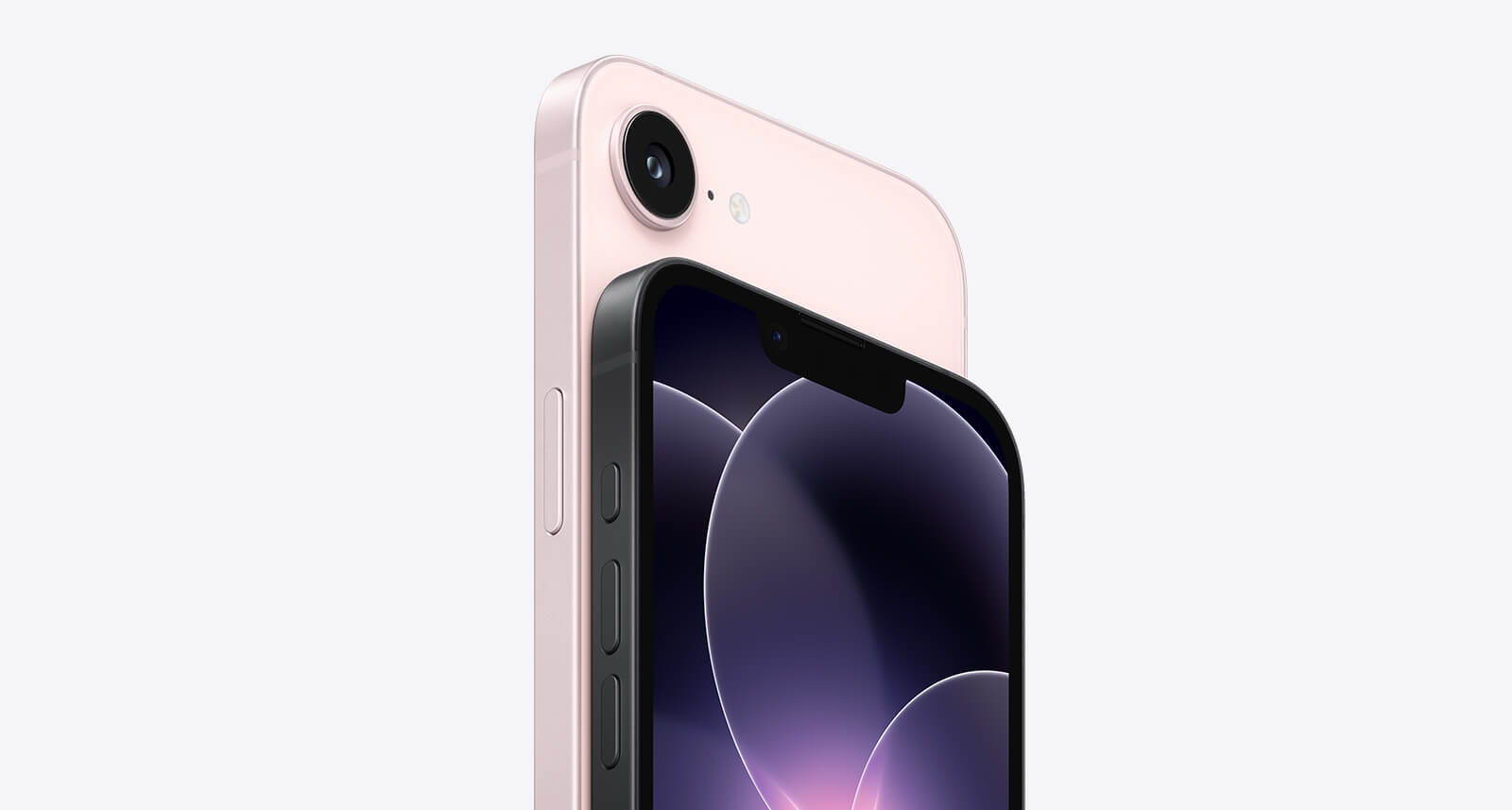
The refurbished products market is growing rapidly, especially for Apple smartphones. More and more users are choosing a refurbished iPhone instead of a new model because it allows them to save an average of 15% to 40% and contribute to more sustainable consumption.
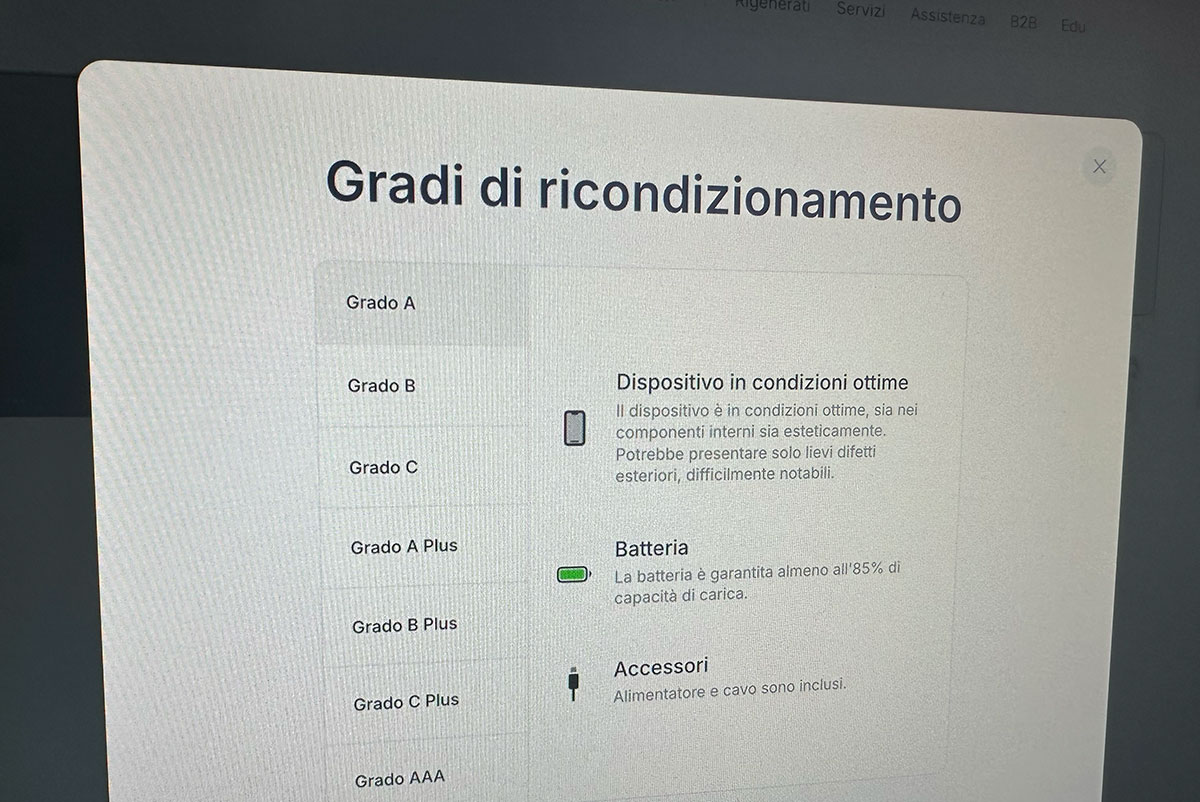
However, one topic still generates many doubts: refurbishment grades. What do they mean? How are they assigned? How do you interpret a "Grade A+" or "Grade B" product? And most importantly: do they affect performance?
In this complete guide, we will clearly and detailedly cover everything you need to know about iPhone refurbishment grades, how to evaluate them, which ones to choose, and where to buy the most reliable refurbished products.
What are refurbishment grades?
Refurbishment grades classify the cosmetic and functional condition of a device that has been inspected, tested, and put back on sale by professionals.
All refurbished devices:
are technically diagnosed
undergo hardware and software tests
have any defective components replaced
are sanitized
are certified as fully functional.
Grades only serve to describe the aesthetic appearance, not the performance.
A Grade C iPhone can function just as well as a Grade A+, but it may have more visible scratches or marks.
Why refurbishment grades are important
For buyers, knowing the refurbishment grades is crucial for understanding:
The product's actual cosmetic condition
The price difference between one grade and another
The type of warranty and checks performed
The expectations to have before purchase.
For professional resellers like C&C Apple Premium Partner, transparent classification represents a commitment to quality.
Someone buying a refurbished iPhone wants a product that is:
Tested
Reliable
Has a checked battery
Has like-new functionality.
The grades help distinguish what changes and what remains identical.
How refurbishment grades are established
The aesthetic evaluation process takes place after advanced hardware tests, software checks, replacement of defective parts, and thorough cosmetic inspections of the casing, display, and external components.
Technicians specifically check:
Screen: Presence of micro-scratches or visible scratches
Casing: Dents, signs of wear, imperfections
Frames: Side scratches
Buttons: Possible wear
Cameras: Lens condition
Battery: Remaining capacity
Overall functionality: Buttons, Face ID, sensors, speakers.
Once the process is complete, the device is assigned the correct grade.
The main refurbishment grades
Every retailer may have a slightly different scale, but internationally, the most common are:
Grade A+ (or "Like New") – Equal to new
This is the highest level. A Grade A+ iPhone:
Looks brand new in every respect
Has no visible scratches or marks
Has been checked and certified
Has a battery in excellent condition (often above 90%)
It's the perfect grade for those who want to save money without giving up anything aesthetically.
Grade A – Excellent
Very small aesthetic imperfections, often almost invisible, such as:
Very slight micro-scratches
Imperceptible marks on the frames
Functionally identical to new.
It is the most chosen grade because it combines quality and savings.
Grade B – Good
May show:
Visible scratches
Small marks on the casing
Potentially more marked signs on the edges.
Functionality is still excellent: performance and hardware respond perfectly.
An excellent choice for those who want to save a lot without worrying about aesthetics.
Grade C – With obvious signs of use
Includes:
Marked scratches
Small impacts
Visible wear on the casing.
Perfectly functional, but more cosmetically "experienced."
Ideal choice for those looking for maximum savings or always use a case.
iPhone refurbishment grades: what really changes?
When talking about iPhone refurbishment grades, there is often confusion.
What does NOT change: Performance, Face ID functionality, camera quality, processor, operating system, speed, the overall lifespan of the product.
What DOES change:
The aesthetics of the casing
Any scratches on the display
The visibility of signs of use.
Everything else remains identical because all iPhones undergo the same tests.
Do refurbishment grades influence the price?
Yes, but less than you might think.
Typically:
Grade A+ → Highest price (but still lower than new)
Grade A → Excellent quality/price ratio
Grade B → Significant savings
Grade C → Lowest price overall
For many people, buying a Grade B iPhone is the ideal solution because it allows for substantial savings without sacrificing full functionality.
Why refurbished and not used iPhones?
A refurbished iPhone is tested, certified, and sold by professionals.
A used iPhone, on the other hand, has no warranty, may have hidden problems, may not have been checked, often has a very worn battery, and may be tied to previous blocks or accounts. Refurbished represents a safe choice, especially when purchased from professional retailers.
Refurbishment at Authorized Resellers like C&C
C&C is an Apple Premium Partner, making it a reliable source for purchasing guaranteed refurbished iPhones.
The advantages include:
Certified products
Professional assistance
Original spare parts
Real warranty
Dedicated technical support
Online or in-store purchase
Flexible financing and payment options.
You can discover our selection of refurbished iPhones here:
How to choose the ideal refurbishment grade
It depends on:
1. Budget
Want to save as much as possible? → Grade B or C
Want an aesthetically perfect phone? → Grade A+
Want a good compromise? → Grade A
2. Intended use
Do you always use a case and screen protector? → Grade B is perfect
Do you work with clients and need an impeccable iPhone? → Grade A+ or A
3. Importance of aesthetics
For some, it is not important; for others, it is. The grade serves precisely this purpose.
Refurbishment and sustainability
Many users choose refurbished products precisely for ethical and environmental sustainability reasons. Buying a refurbished product means:
Reducing electronic waste
Reducing environmental impact
Avoiding the production and transport of new devices
Giving new life to a product designed to last.
FAQ on refurbishment grades
1. Do refurbishment grades affect performance?
No, only aesthetics.
2. What is the difference between Grade A+ and Grade A?
Only micro-aesthetic details.
3. Are Grade B products reliable?
Absolutely yes: they are functionally identical.
4. Is Grade C advisable?
Yes, if you want maximum savings and are not concerned about aesthetics.
5. Is the battery replaced?
If it does not pass the tests, yes.
6. Where to buy safe refurbished iPhones?
From certified retailers like C&C: C&C Refurbished iPhones
7. Do refurbished products have a warranty?
Yes, and often clearer than private used sales.
8. Are refurbished products better than used?
Yes, because they are checked, certified, and guaranteed.